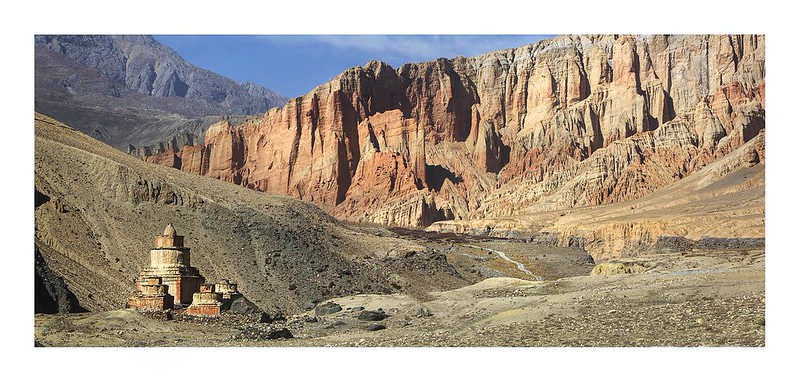
Spring is the second-best season for the Manaslu Circuit and, for many trekkers, the preferred one. The combination of warming temperatures, blooming rhododendrons, fewer crowds than autumn, and lower permit costs makes March through May a genuinely excellent window. But each spring month has its own character — and some are significantly better than others.
Why Spring Works on the Manaslu Circuit
Unlike the Everest and Annapurna regions, the Manaslu Circuit sees moderate spring visitor numbers. The trail is quieter than the Annapurna Circuit, and the upper sections of the valley feel remote even at peak spring capacity. Add the dramatic flowering of rhododendron forests between 2,000–3,500m, and you have a trek that looks completely different from its autumn counterpart — equally beautiful, differently spectacular.
Spring also benefits trekkers financially: the Restricted Area Permit drops to $75 per person per week compared to $100 during the autumn peak.
March: Cold Mornings, Quiet Trails, Blooming Valleys
March sits at the edge of winter and spring. The lower Budhi Gandaki valley is already warming, and rhododendrons at middle elevations begin their bloom by mid-March. But the high country is still waking up.
What to expect in March:
- Cold mornings throughout the circuit — Samagaon nights reach -3 to -8°C
- Possible late-winter storms, especially in early March
- Residual snow on and near Larke Pass — crampons may be needed
- Fewer trekkers than any other good-weather month
- Trail conditions generally good, with some icy patches above 4,000m
Best for: Experienced trekkers who want solitude and are comfortable with variable conditions.
Watch out for: Weather windows can close unexpectedly in early March. Build flexibility into your itinerary.
April: The Best Spring Month
April is when the Manaslu Circuit finds its spring stride. Weather systems stabilize, temperatures rise to comfortable levels, and the rhododendron bloom reaches its peak in the mid-altitude forest zones.
April conditions at a glance:
| Metric | Details | |--------|---------| | Samagaon daytime | 12–18°C | | Samagaon overnight | 0 to -3°C | | Larke Pass daytime | 5–15°C | | Larke Pass overnight | 0 to -5°C | | Sky conditions | Mostly clear, some afternoon clouds | | Trail conditions | Excellent — snow cleared, mud dried | | Crowds | Moderate |
The Larke Pass crossing in April is the most straightforward of the spring months. Snow has largely cleared but ice is not yet a risk, and morning windows are consistently stable. Aim to summit before 10am as clouds can build in early-to-mid afternoon.
Rhododendron forests between Jagat and Deng, and again between Prok and Lho, are at their most spectacular in April. Entire hillsides turn crimson and pink — a completely different palette from autumn's golden leaves.
May: Warm but Increasingly Humid
May extends the trekking window but introduces a new set of conditions. Pre-monsoon weather patterns begin building, bringing afternoon clouds, increasing humidity, and occasional thunderstorms — particularly from mid-May onward.
What to expect in May:
- Warmer temperatures — Samagaon days reach 15–20°C
- More insects at lower elevations
- Afternoon cloud cover increasingly limits views
- Humidity on lower trail sections
- Higher chance of afternoon showers
- Tea houses remain open, fewer trekkers than April
Best for: Trekkers who want warm temperatures and don't mind some cloud cover on views.
Plan around: Start early each day to maximize clear morning views. The best mountain visibility is typically 7–10am.
The Larke Pass in Spring
March
Snow is likely on the pass itself and the approach. A permit guide experienced with the route is essential. Some years, late snowfall can temporarily close the pass in March.
April
The best spring conditions for crossing. The pass is generally clear, winds are manageable in the morning, and temperatures are cold but not extreme.
May
The pass is snow-free and temperatures are warmer, but afternoon cloud build-up is more aggressive. An early start is even more critical than in April.
All spring months: Cross the Larke Pass by 9–10am. Afternoon conditions can deteriorate rapidly at 5,106m.
Spring Packing Additions vs Autumn
- Gaiters: Essential in March for snow on the high route
- Sunscreen: UV intensity is extreme on spring snow — apply generously
- Rain layer: More important in May than autumn; afternoon showers increase
- Lighter sleeping bag is sufficient in April–May compared to autumn at the same altitude
Spring vs Autumn: Key Differences
| Factor | Spring | Autumn | |--------|--------|--------| | Permit cost | $75/week RAP | $100/week RAP | | Crowds | Moderate | Higher (October) | | Flowers | Spectacular | None | | Mountain views | Good to excellent | Excellent | | Larke Pass snow | Possible (March) | Rare | | Afternoon storms | More common | Less common |
Spring is not second-best because it is worse — it is second-best because autumn has a slight edge in view consistency. For trekkers who value flowers, solitude, and lower costs, spring is actually the preferred season.