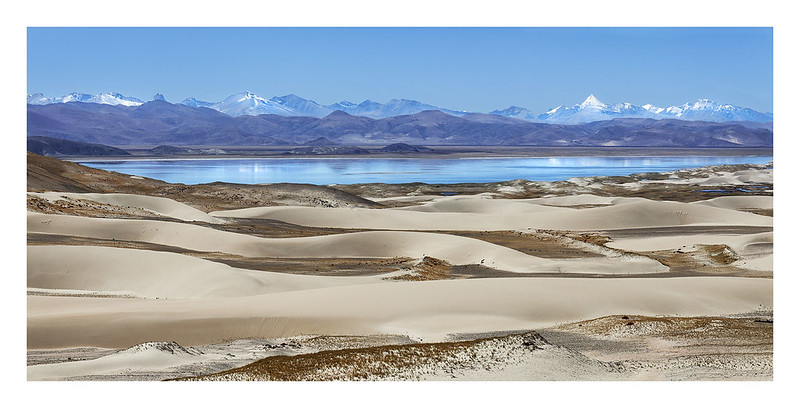
The Manaslu Circuit Trek is one of Nepal's most rewarding long-distance trails. Stretching roughly 177 kilometers from Soti Khola to Dharapani, it circles the world's eighth-highest mountain — Manaslu (8,163m) — through terrain that shifts dramatically from subtropical gorges to glaciated alpine passes. Understanding the route structure before you go makes all the difference.
The Five Natural Sections
The trail divides into five distinct sections based on terrain, altitude, and trail character. Each has its own rhythm, challenges, and rewards.
Section 1: Soti Khola to Jagat (890m – 1,340m)
This opening stretch runs through the Budhi Gandaki River gorge, one of the deepest and most dramatic in Nepal. The trail weaves between river terraces, bamboo forest, and narrow cliff-side paths. You'll cross multiple suspension bridges and pass through villages like Machha Khola (869m) — which sits slightly lower than your starting point — and Tatopani (1,190m), known for its roadside hot springs.
Jagat (1,340m) is the first major checkpoint where permits are verified. Expect warm, humid conditions in this section.
Section 2: Jagat to Namrung (1,340m – 2,630m)
The trail begins climbing in earnest. Forest trails wind through rhododendron and oak, passing ancient mani walls and waterfalls. Philim (1,570m), Deng (1,804m), and Ghap (2,160m) are key overnight stops. Ghap is split into Lower and Upper Ghap — a small detail that catches some trekkers off guard when reading itineraries.
By the time you reach Namrung (2,630m), you've entered a noticeably different world. The air is cooler, the forest thinner, and the trail wider.
Section 3: Namrung to Samagaon (2,630m – 3,530m)
This is where the Manaslu Circuit earns its reputation for mountain scenery. Open meadows and prayer flags replace the forest. Lihi (2,920m) and Shyala (3,500m) offer the first real high-altitude terrain. Lho (3,180m) provides arguably the best view of Manaslu's south face, along with access to Rachen Nunnery.
Samagaon — also called Sama — sits at 3,530m and is the largest upper-valley village. Most itineraries include an acclimatization day here, often used for a side trip to Pungyen Gompa.
Section 4: Samagaon to Larke Pass (3,530m – 5,160m)
The high-altitude push. Samdo (3,860m) is a brief stop before reaching Dharamsala (4,460m), the base camp for the pass crossing. This section is stark and beautiful — glaciated terrain, sparse vegetation, and enormous sky.
Larke Pass (Larkya La) at 5,160m is the highest point of the entire circuit. The crossing day covers 18 kilometers and is both the longest and most demanding day on trail.
Section 5: Larke Pass to Dharapani (5,160m – 1,860m)
The descent is dramatic. Bimtang (3,590m) sits in a wide meadow valley and offers a welcome shelter after the pass. From there the trail drops steadily through Tilje (2,300m) and Thonje (2,030m) before reaching Dharapani (1,860m), where the circuit officially ends at a junction with the Annapurna Circuit trail.
Key Route Statistics
| Metric | Detail | |---|---| | Total Distance | ~177 km | | Start Point | Soti Khola (890m) | | End Point | Dharapani (1,860m) | | Highest Point | Larke Pass / Larkya La (5,160m) | | Longest Day | Larke Pass crossing (~18 km) | | Typical Duration | 14–18 days |
Route Permits Required
The Manaslu Circuit is a restricted trekking area. You must have a Manaslu Restricted Area Permit (MRAP), an Annapurna Conservation Area Permit (ACAP), and a TIMS card. Solo trekking is not permitted — you need a licensed guide. Permits are checked at multiple checkpoints, with Jagat being the first.
What Makes This Route Different
Unlike open circuits in Nepal, the Manaslu route sees significantly fewer trekkers. Infrastructure is simpler — teahouses exist throughout, but you won't find the range of options common on the Annapurna Circuit. That limited footfall is precisely what draws serious trekkers here. The trail feels earned in a way that heavily trafficked routes simply don't.
The route's logical structure — gradual approach, high-alpine middle, and long descent — also makes acclimatization more natural than on many other Himalayan treks.