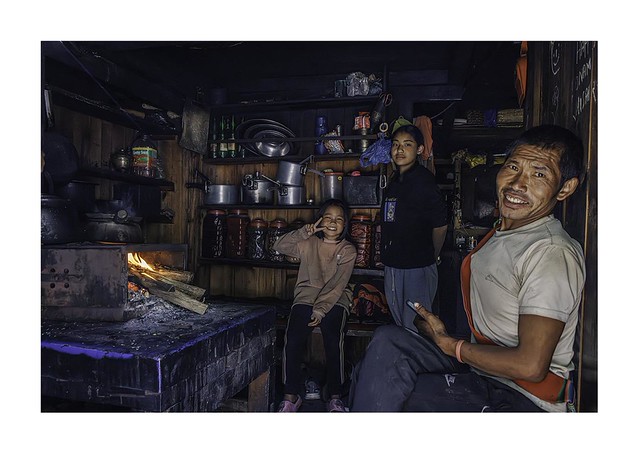
The Manaslu Circuit is one of Nepal's most rewarding restricted treks, circling the world's eighth-highest mountain through remote villages, high passes, and dramatic Himalayan terrain. Choosing the right season can make or break your experience. This guide breaks down every season so you can plan with confidence.
The Two Best Seasons at a Glance
The Manaslu Circuit has two windows that trekkers consistently rate as excellent: autumn (September–November) and spring (March–May). Both offer stable weather, open tea houses, and negotiable trails. The remaining months come with serious trade-offs that most trekkers prefer to avoid.
Autumn: The Gold Standard (September–November)
Autumn is the most popular season on the Manaslu Circuit — and for good reason.
- October is widely considered the single best month. Skies are crystal clear after the monsoon washes away dust and haze. Temperatures at Samagaon (3,530m) hover between 10–15°C during the day and drop to around -2°C overnight.
- Late September sees trails drying out quickly after monsoon. Early arrivals enjoy fewer crowds and lush post-rain greenery.
- November is excellent for solitude seekers. Visibility remains spectacular, though temperatures begin dropping sharply. Larke Pass nights dip to -15°C by late November.
At the Larke Pass (5,106m), expect overnight temperatures of -5 to -15°C in October, with daytime highs of 0–10°C. Start your Larke crossing by 7am to clear the pass before afternoon clouds and wind build.
Autumn Permit Costs
During peak season (September–November), the Restricted Area Permit (RAP) costs $100 per person per week. The MCAP permit is a fixed NPR 3,000 year-round.
Spring: A Close Second (March–May)
Spring offers a very different but equally compelling experience.
- April is the standout month. Weather stabilizes, days are warm and clear, and the lower valleys explode with rhododendron blooms in shades of red, pink, and white.
- March is colder, with possible late-winter storms, but offers solitude and the chance to witness the tail end of the rhododendron bloom at lower elevations. Some residual snow on Larke Pass is common in early March.
- May brings warmer temperatures but also pre-monsoon clouds and humidity that can limit visibility.
Larke Pass daytime temperatures in spring reach 5–15°C, with nights between 0 and -5°C — considerably more forgiving than autumn.
Spring Permit Costs
Outside peak season, the RAP drops to $75 per person per week.
Summer/Monsoon: Difficult but Not Impossible (June–August)
Nepal receives roughly 80% of its annual rainfall between June and September. On the Manaslu Circuit:
- Lower trails (below 2,500m) become muddy, slippery, and leech-infested
- Landslide risk increases significantly on exposed sections
- River crossings become more dangerous with higher water levels
- Views are mostly obscured by clouds
However, the upper circuit above 3,500m sits in a partial rain shadow and receives noticeably less precipitation than Annapurna during monsoon. Some experienced trekkers attempt the upper sections in August. This is not recommended for first-timers.
Winter: Solitude at a Price (December–February)
Winter trekking on the Manaslu Circuit is a genuine challenge.
- Larke Pass temperatures drop to -15 to -25°C overnight
- Heavy snow can close the pass entirely from December through February
- Several tea houses above Samdo shut for the season
- The route remains possible for fit, experienced winter trekkers with appropriate gear, but requires careful planning and local guidance
The reward is complete solitude and a raw, dramatic landscape that few trekkers ever witness.
Quick Comparison Table
| Season | Months | Weather | Crowds | Trail Condition | Rating | |--------|--------|---------|--------|-----------------|--------| | Autumn | Sep–Nov | Excellent | High (Oct) to Low (Nov) | Excellent | Best | | Spring | Mar–May | Good to Excellent | Moderate | Good | Very Good | | Winter | Dec–Feb | Cold/Challenging | Very Low | Difficult (snow) | For experts only | | Monsoon | Jun–Aug | Poor | Very Low | Poor–Moderate | Not recommended |
Final Recommendation
If you can only go once, October is your target. If you want flowers, fewer crowds, and cheaper permits, April is an outstanding choice. Avoid June through August unless you have specific experience trekking in monsoon conditions and understand the risks.
Whatever season you choose, ensure your permits are arranged in advance — the Manaslu Circuit requires a Restricted Area Permit, MCAP, and TIMS card, and you must trek with a licensed guide.